
Rain Cyber
SUPERADMIN
Sep 22, 2026
In today’s digital-first business environment, data is one of your most valuable assets. Customer information, financial records, business applications, documents, and operational data all need to remain secure and accessible.
But what happens when critical data is accidentally deleted, systems fail, ransomware strikes, or a natural disaster disrupts your infrastructure?
This is where Backup and Disaster Recovery (BDR) becomes essential.
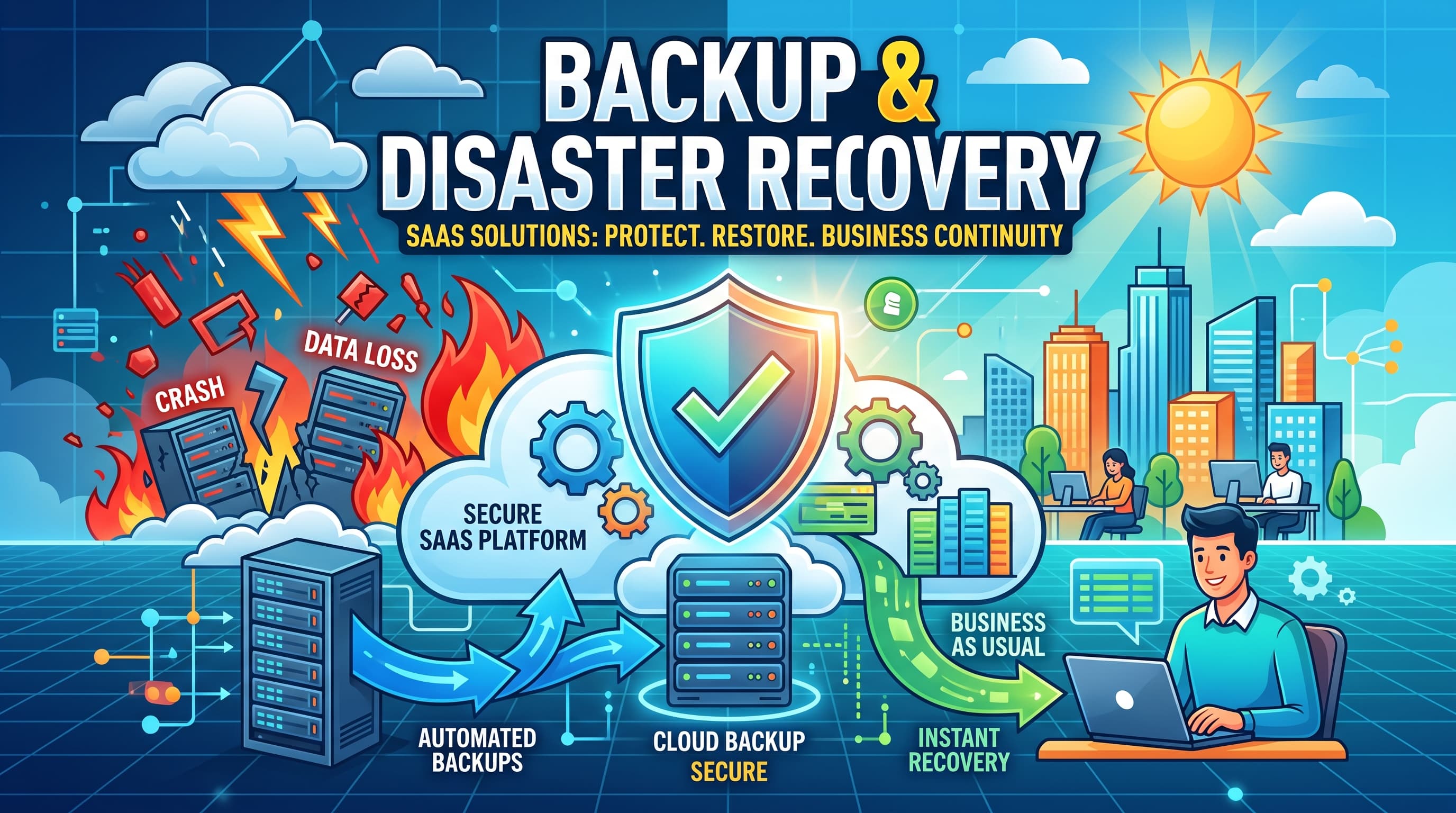
At RainCyber, we help businesses build reliable backup and disaster recovery strategies designed to protect critical data, minimize downtime, and keep operations running when unexpected incidents occur.
What Is Backup and Disaster Recovery?
Backup is the process of creating copies of important data and storing them securely so they can be restored when needed.
Disaster Recovery is the broader strategy for restoring IT systems, applications, infrastructure, and data after a disruptive event.
A strong BDR strategy combines both to help businesses recover quickly from incidents such as:
Hardware and server failures
Accidental data deletion
Cyberattacks and ransomware
Software or system failures
Power outages
Natural disasters
Human error
Infrastructure damage
Having a backup alone isn't enough. Businesses also need a tested recovery plan that defines what should be restored, how quickly it should be restored, and how operations will continue during the recovery process.
Why Backup and Disaster Recovery Matter
1. Protect Critical Business Data
Important business information can disappear within seconds because of accidental deletion, system failure, or cyberattacks. Regular backups provide additional protection and make it possible to recover lost information.
2. Minimize Business Downtime
Every minute of downtime can interrupt productivity, customer service, sales, and internal operations.
A well-designed disaster recovery strategy helps organizations restore essential systems faster and reduce operational disruption.
3. Improve Cyber Resilience
Modern cyber threats can target business data directly. Maintaining secure, isolated, and properly managed backups can provide an important recovery option when systems are compromised.
4. Reduce Financial Impact
Extended downtime and permanent data loss can result in significant financial consequences. A reliable recovery strategy helps businesses return to normal operations more efficiently.
5. Support Business Continuity
Disaster recovery is not only about recovering files. It is about keeping critical business functions operating during and after an unexpected disruption.
Key Components of an Effective BDR Strategy
Automated Backups
Automated backup processes reduce dependence on manual tasks and help ensure that important data is backed up consistently.
Multiple Backup Locations
Keeping backup copies in different locations can provide additional protection if the primary infrastructure becomes unavailable or damaged.
Cloud Backup
Cloud-based backup solutions can provide scalable storage and remote access to backup data while supporting recovery from different locations.
Disaster Recovery Planning
A documented recovery plan should identify critical systems, recovery procedures, responsibilities, dependencies, and communication processes.
Recovery Testing
A backup is only useful if it can actually be restored. Regular recovery testing helps verify that backup data is available, usable, and recoverable.
Monitoring and Alerts
Continuous monitoring can help identify backup failures or unusual activity before they become larger problems.
RPO and RTO: Two Important Recovery Metrics
A professional disaster recovery strategy often uses two key measurements:
Recovery Point Objective (RPO):
How much data loss, measured in time, can the business tolerate?
For example, an RPO of one hour means the organization aims to recover data from no more than approximately one hour before an incident.
Recovery Time Objective (RTO):
How quickly must a system or service be restored after an incident?
For example, an RTO of four hours means the business aims to restore the relevant service within four hours.
Understanding your RPO and RTO requirements helps determine the appropriate backup frequency, infrastructure, and recovery strategy.
The 3-2-1 Backup Strategy
One widely used approach to backup planning is the 3-2-1 rule:
3 copies of important data
2 different types of storage or media
1 copy stored offsite
Organizations may also consider stronger approaches, such as immutable or offline backups, particularly for environments exposed to ransomware and other destructive threats.
How RainCyber Can Help
At RainCyber, we help businesses develop practical Backup and Disaster Recovery solutions based on their infrastructure, applications, data, and recovery requirements.
Our services can include:
Backup strategy and planning
Automated data backups
Cloud backup solutions
Server and infrastructure backup
Disaster recovery planning
Data restoration
Backup monitoring
Recovery testing
Business continuity support
Ransomware recovery preparedness
We focus on creating solutions that are reliable, scalable, and aligned with your business needs.
Don't Wait Until Disaster Strikes
A data loss incident is not the right time to discover that your backup has failed.
Businesses should prepare for disruption before it happens. A well-designed Backup and Disaster Recovery strategy can provide greater resilience, faster recovery, and confidence that critical business data and systems can be restored when they are needed most.
RainCyber is ready to help you protect your data, strengthen your infrastructure, and prepare your business for the unexpected.
Ready to Protect Your Business?
Build a stronger recovery strategy with RainCyber.
🌐 Visit: https://raincyber.com
💬 Contact RainCyber today to discuss your Backup and Disaster Recovery requirements.
RainCyber — Protecting Your Data. Preparing Your Business.